
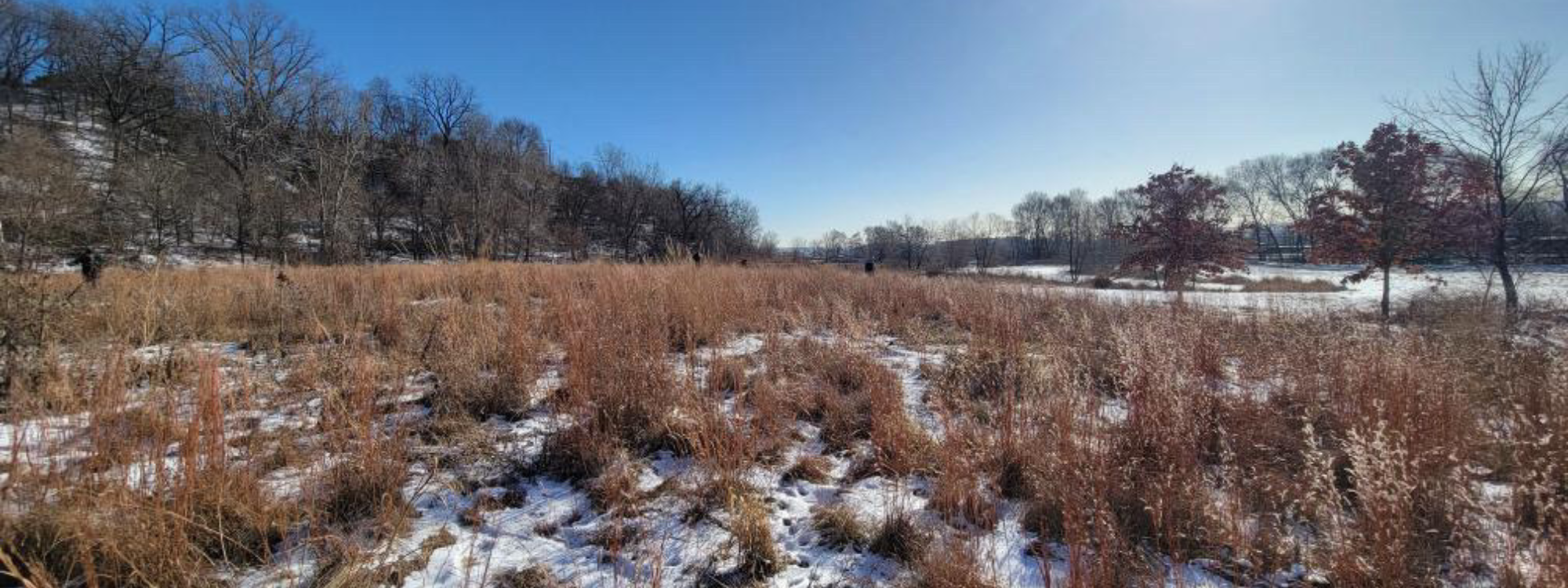
How Our Native Plants Thrive in the Winter
By Alex Kucich and Nina Delgadillo
Here in Mni Sota Makoce, winter doesn’t tend to slow us down. Whether it’s attaching ice cleats to our shoes, enjoying an outdoor sauna, or playing winter sports, when there is snow, we find a way to adapt. Of course, this is not unique to our species. From the changing fur of the Snowshoe Hare1 to the dormancy of the Woolly Bear Caterpillar2, our more-than-human neighbors have found creative ways to brave the winter. This includes our neighbors in the plant kingdom.
Our region is home to a kaleidoscopic diversity of plant species whose evolution is intertwined with the pollinators, grazing herds, predators, fungi, invertebrates, birds and fishes, and amphibians and humans who have always called this land home. The 2,000+ plant species that call Mni Sota Makoce home have developed ingenious ways to survive our long, cold winters. Consider lead plant, a leguminous (pea family) shrub that plunges their roots fifteen feet under the ground3, or maple and aspen trees, whose sap runs with sugar and antifreeze compounds4 to keep flowing through the depths of winter.
In fact, most of our native plant species need the frozen months of winter to grow again in the spring. After going dormant for the winter, the seeds of our native prairie and woodland plants require a period of freeze and thaw before the weather is warm enough for the plant to safely germinate. When the time is just right, the tiny embryo springs to life, utilizing the fatty energy stored in the endosperm to crack through the hard outer coat of the seed, sending its first roots down into the soil and its first cotyledon leaves towards the sun5. Emerge too soon, and the tender leaves will be frozen in a late frost; emerge too late, and the plant won’t be able to store enough energy in its roots for the long winter.
Each species has its own unique knowledge to survive the harsh winters of Mni Sota Makoce. Some species, like wild ginger, purple angelica, and dutchman’s breeches, require two winter freezes before the plant cracks cautiously through the seed’s outer shell. Others, like leadplant and wild indigo, wait to pass through the corrosive digestive tract of a roaming animal before beginning the process of germination. Ohio Spiderwort refuses to germinate unless its dormancy period exceeds 120 days.
When growing plants on our own, it is important to mimic some of these overwintering processes to ensure that the seeds will germinate successfully. Here in the Urban Roots Conservation Program, we use a number of strategies to make sure the seeds we gather with our interns in the fall will be ready to join the prairies, woodlands and wetlands we steward in the spring. (See our native seed collection guide to learn how to sustainably gather your own native plant seeds!)
Cold stratification: For plants that we will grow from seedlings in our greenhouse, we place seeds in a substrate of moist sand or vermiculite, and store them in a refrigerator for a period of weeks or months to imitate the period of winter dormancy. In early March, we will sow these seeds in trays in our greenhouse, letting them grow out their roots and leaves until they are ready to plant in May. See this guide from Prairie Moon Nursery to learn more about the cold stratification process.
Winter sowing: With our partners at Metro State University and Dayton’s Bluff Library, we are hosting a series of workshops showing community members how to grow native plants at home in plastic containers in a process called winter sowing. By planting native seeds in soil in a plastic jug or container, and leaving this container outside for the late months of winter, the freeze-thaw process encourages native seeds to germinate, and the greenhouse effect of the jug gives the young plants a head start in the spring. This can be an excellent, low-cost strategy for personal restoration projects.
Direct sowing: For larger projects, directly sowing native seeds on the snow in winter allows them to go through their natural dormancy process while intentionally strengthening certain areas of a restoration project. With our partners at Wakan Tipi Awayankapi, we spread a mix of prairie seeds at the sacred site they steward by the Mississippi River, focusing on sections of prairie that were burned in the fall. While direct sowing has less certainty of successful spring growth than planting from starts, it can cover a much larger area with lower effort, and mimics the natural regeneration processes that our ecosystems have evolved with since time immemorial.
As individuals, we can take steps not only to steward the planting of native species but also to connect with and understand our non-human ancestors, who provide habitat, diversity, and beauty for our communities. Whether you have collected seeds on your own or have purchased them, any of the strategies listed above can be undertaken at home, with many being relatively low cost. Consider introducing native plants to your garden, replacing parts of your lawn with prairie grasses, or planting native trees and shrubs to invite biodiversity back to your neighborhood.
As we can tell, plants are incredibly powerful all on their own. But many external factors have contributed to a decrease in native plant communities. With the arrival of European colonists came the idea that the environment was a commodifiable resource to be controlled and maintained. Colonial and capitalist approaches to land stewardship have led to massive habitat loss, degradation, and fragmentation, creating a crisis of biodiversity as well as severing people’s connection to the land6. According to a 2019 study, the state of Minnesota has lost over 98% of its native prairies to agriculture and development7, and the work of restoring our relationships to land and ecosystem is something we all can contribute to. The ways we care for the land we live on can look different for everybody. But developing a deeper appreciation and understanding of our more-than-human relatives is an important step in guiding us towards a more equitable, sustainable, and healthy future.
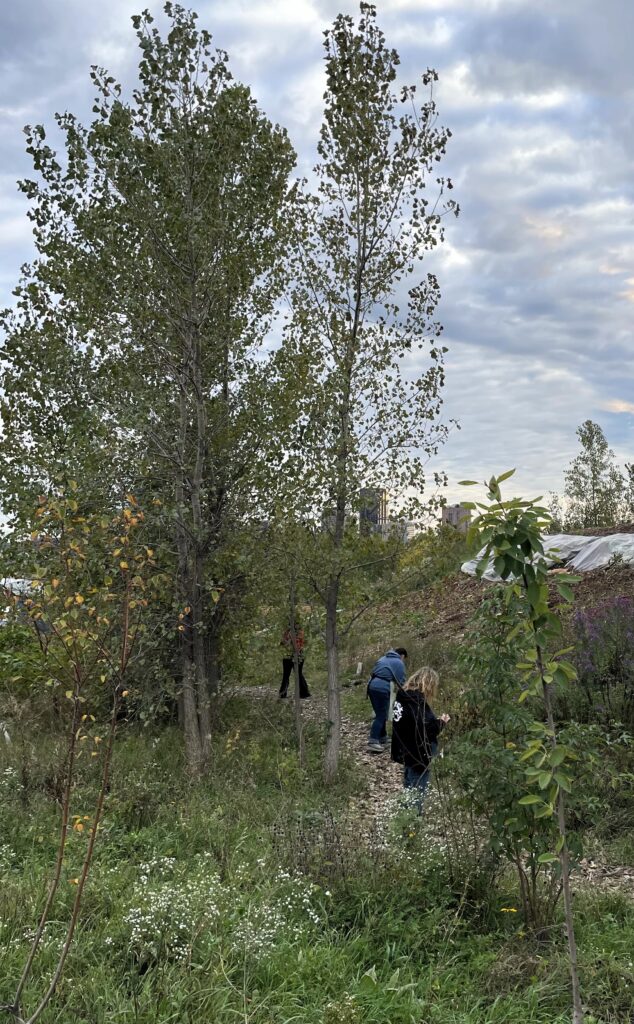
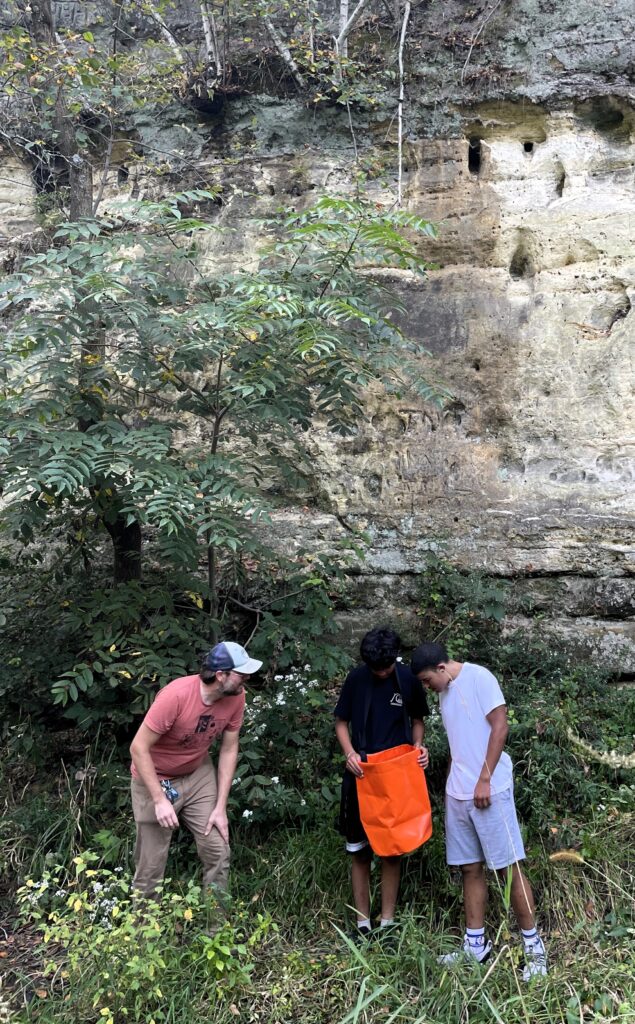
Collecting native seeds at the Rivoli Bluff Farm and Restoration Site and Battle Creek Regional Park:
Sources
- https://www.dnr.state.mn.us/mammals/snowshoehare.html
- https://files.dnr.state.mn.us/mcvmagazine/young_naturalists/young-naturalists-article/winter/janfeb2020_young_naturalists.pdf
- https://www.prairiemoon.com/amorpha-canescens-lead-plant
- https://www.dnr.state.mn.us/news/2026/01/22/winter-wonderland-how-trees-survive-cold
- https://www.pizzonursery.com/safely-freeze-seeds/
- https://minnesotago.org/trends/biodiversity
- https://www.dnr.state.mn.us/mcvmagazine/issues/2020/mar-apr/survey.html